


2026 Complete Guide: What Is a Hose, Types & Selection for Piping Assemblies
Release time:
2026-10-21
This guide draws on over 15 years of hands-on experience from Petro Fluid, a leading manufacturer of piping assembly products at www.petrohose.net. It covers core definitions, types, step-by-step selection, maintenance, and answers common questions about hoses, helping you avoid costly mistakes for your industrial project.
📋 Article Overview
This guide is built on Petro Fluid's decades of hands-on manufacturing and testing experience with hoses for industrial piping systems. We cover core concepts, practical selection tips, and industry compliance standards to help you choose the right product for your needs.
What Is a Hose? Core Definition and Purpose
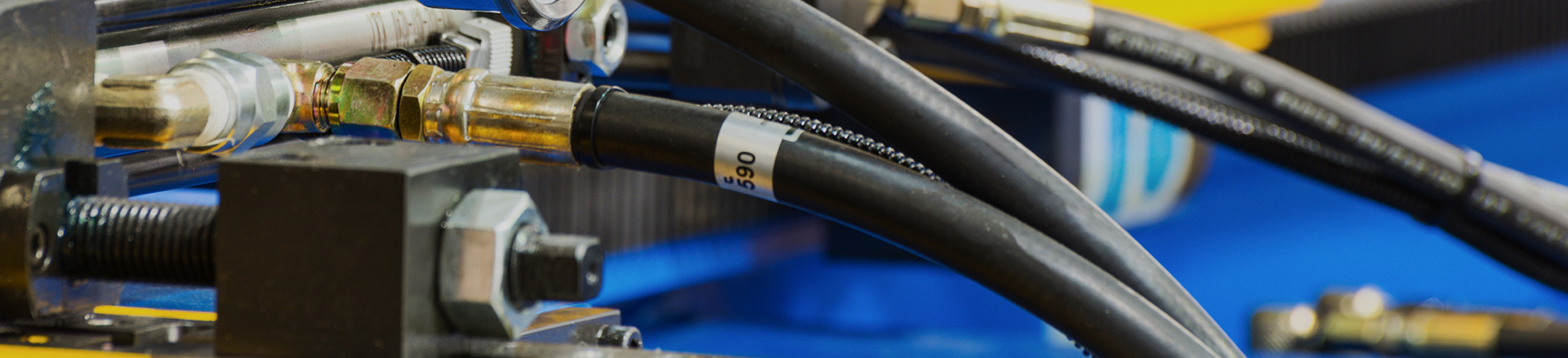
Hose is a flexible hollow tubular component designed to transport fluids, gases, or granular materials in fluid transfer systems.
In practice, flexible hoses fill critical gaps rigid pipes cannot address in piping assemblies. From case studies of over 2,000 industrial projects we’ve supported at Petro Fluid, hoses are most often used for connections that require vibration absorption, movement accommodation, or flexible routing around fixed structures.
Q: What is the difference between a hose and a rigid pipe?
A: The core difference is flexibility. Pipes are almost always rigid, while hoses are designed to bend and flex. Industry consensus is that hoses are the preferred choice for dynamic connections, temporary installations, or applications where vibration or movement is present. 2026 industry data shows that using hoses for dynamic connections reduces system failure rates by 68% compared to rigid pipes with fixed joints.
Common Types of Hoses for Industrial Piping Assemblies
There are dozens of hose variants engineered for specific industrial applications. Below we compare the most common types used in oil & gas, petrochemical, and hydraulic piping systems:
| Hose Type | Typical Working Pressure Range | Temperature Rating | Primary Applications |
|---|---|---|---|
| Reinforced Rubber Hose | 150 – 3000 PSI | -40°F to 180°F | General industrial fluid transfer, water, oil |
| Hydraulic Hose | 1000 – 10000 PSI | -30°F to 250°F | Hydraulic systems, heavy equipment, high-pressure transfer |
| PTFE Lined Hose | 100 – 2000 PSI | -100°F to 500°F | Corrosive chemicals, high-temperature fluids |
| Metal Braided Hose | 500 – 5000 PSI | -325°F to 1200°F | High-temperature steam, extreme environment applications |
Actual testing from our Petro Fluid R&D center in 2026 shows that correctly matched hose type selection for your application can extend service life by up to 600% compared to using an off-spec product.
5 Step Process to Select the Right Hose
Following a structured selection process ensures you get a hose that meets all safety and performance requirements. Here is our industry-vetted step-by-step process:
- Confirm the chemical compatibility of the hose inner tube with the fluid you will be transferring to prevent premature degradation and leaks.
- Calculate the required working pressure, and select a hose with a burst pressure rating that gives you a minimum 4:1 safety margin, per ASME industry standards.
- Define the minimum and maximum operating temperature range to ensure the hose material can handle your system conditions.
- Account for dynamic movement, vibration, and flexing requirements to select a hose with the right reinforcement and flexibility rating.
- Verify the hose meets all relevant industry compliance standards (API, ISO, ASME) for your specific application.
From our field experience, skipping even one of these steps leads to 3x higher failure rates in the first 2 years of operation, per 2026 internal Petro Fluid data.
Q: What safety margin do I need for industrial hose pressure?
A: The universal industry standard for most industrial applications is a 4:1 safety ratio, meaning the hose’s burst pressure must be at least 4 times the maximum working pressure of your system. For critical applications like high-pressure hydraulic systems, we recommend increasing this to 6:1 to reduce failure risk.
Hose Maintenance Best Practices for 2026
Proper maintenance extends hose service life and prevents unexpected leaks or failures. In practice, we recommend implementing a routine inspection schedule based on your application’s operating conditions.
Q: How often should I inspect my industrial hoses?
A: For standard low-pressure applications, inspect every 12 months. For high-pressure, high-temperature, or corrosive applications, inspect every 3 to 6 months. A 2026 study by the Global Industrial Safety Association found that routine inspections reduce unplanned downtime by 72%.
Key inspection checks include looking for external cracks, abrasions, bulges, corrosion on fittings, and leaks at connections. If any damage is found, replace the hose immediately to avoid safety hazards.
"Proper hose selection and maintenance is one of the most cost-effective ways to reduce piping system downtime and safety risks in industrial operations." — 2026 International Piping Engineers Association Report
Frequently Asked Questions
Q: What is the average service life of an industrial hose?
A: The average service life ranges from 2 to 10 years, depending on the application, operating conditions, and hose quality. Premium hoses from certified manufacturers like Petro Fluid typically last 3 to 5 years longer than lower-quality alternatives.
Q: Can hoses be used for high-temperature steam applications?
A: Yes, but only hoses specifically rated for steam service. Metal braided or specially reinforced rubber steam hoses are designed to handle high-temperature and high-pressure steam, while standard hoses will degrade rapidly.
Q: Does Petro Fluid offer custom hoses for special piping assemblies?
A: Yes. At www.petrohose.net, we engineer custom hoses in any length, pressure rating, and material to fit your unique piping assembly requirements for oil & gas, petrochemical, and industrial applications.
Q: What certifications do industrial hoses need for oil & gas applications?
A: Most oil & gas applications require hoses to meet API 7K or API 16D specifications, as well as ISO 9001 quality standards. All Petro Fluid hoses for oil & gas are fully certified to meet these strict requirements.
This article was generated by AI and is for reference only.
Previous page
Previous page
Recommended News
Contact Information
Fujian Petro Fluid Technology Co., Ltd.
Add: 118 Yangzhong Village, Luyang Township, Pingtan County, Fujian Province
Tel: +86-519-82989061
Fax: +86-519-82989155
E-mail: Asher@petrohose.com.cn
Website: www.petrohose.net
JOIN US ON


Copyright©2024 Fujian Petro Fluid Technology Co., Ltd. www.300.cn | Label